History
The Tuskegee Airmen
Who Were the Tuskegee Airmen?
The Tuskegee Airmen were the first African American military aviators in the history of the United States Army Air Forces. During World War II, these courageous men overcame racial barriers and discrimination to serve their country with distinction, proving that talent, determination, and leadership know no boundaries. Trained at the historic Tuskegee Army Air Field in Alabama, the Tuskegee Airmen became highly skilled pilots, navigators, bombardiers, mechanics, engineers, and support personnel. Their achievements not only contributed to Allied victory during World War II but also helped pave the way for the desegregation of the United States military and expanded opportunities for future generations of aviators. Today, their legacy stands as a powerful testament to courage, perseverance, excellence, and service.
Training at Tuskegee
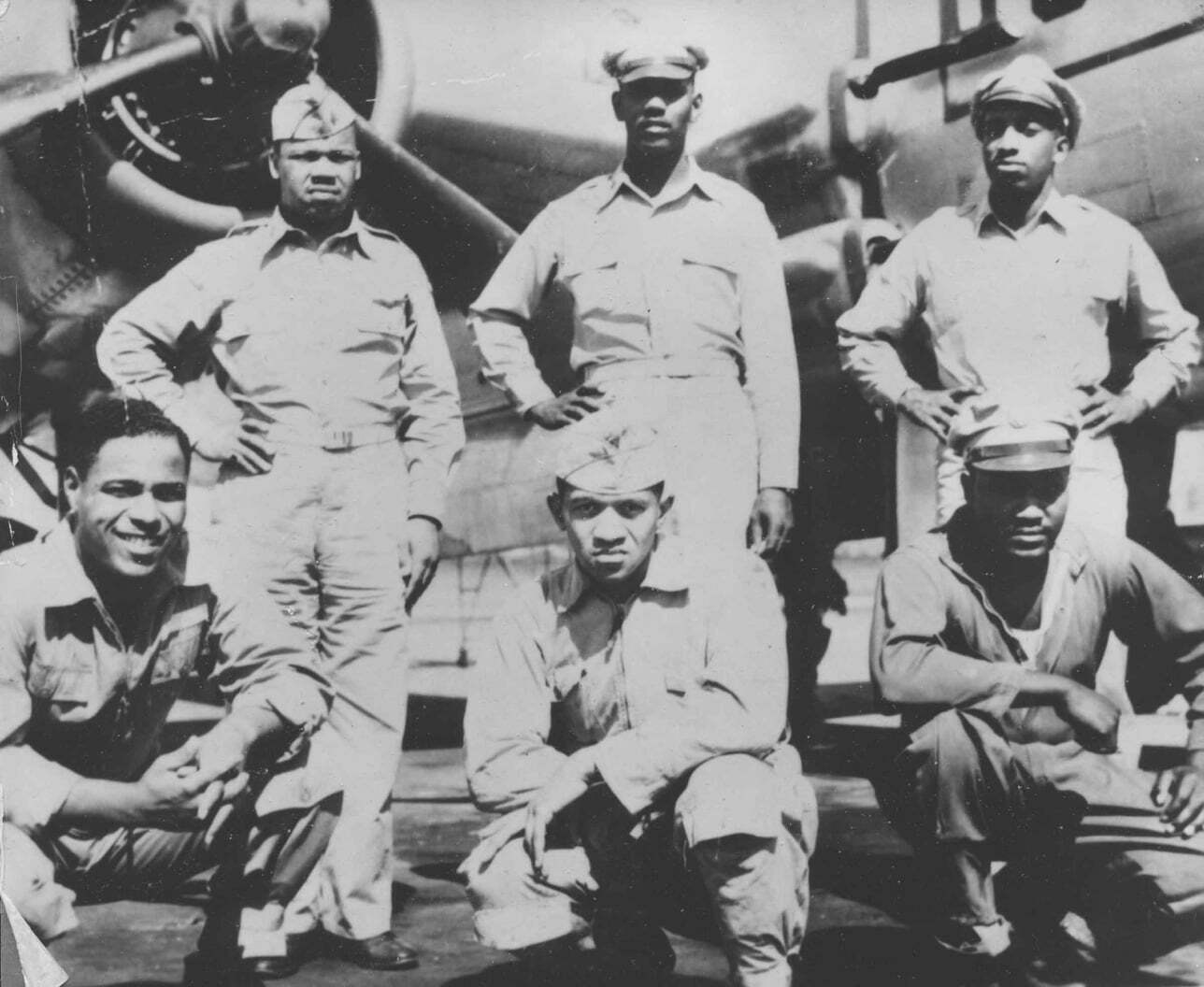
In July 1941, the first class of aviation cadets began training at Tuskegee Army Air Field. The rigorous program demanded exceptional discipline, academic achievement, and flying proficiency. Of the original thirteen cadets, only five successfully completed training and earned their Army Air Corps pilot wings. Among those graduates was Benjamin O. Davis Jr., a United States Military Academy at West Point graduate who would later command the Tuskegee Airmen and become one of the most influential leaders in military aviation history. Between 1942 and 1946, 992 pilots graduated from the Tuskegee training program. In addition to pilots, thousands of African American navigators, bombardiers, mechanics, engineers, medical personnel, and support staff received specialized training, creating one of the most accomplished aviation organizations of the war.
Combat Operations
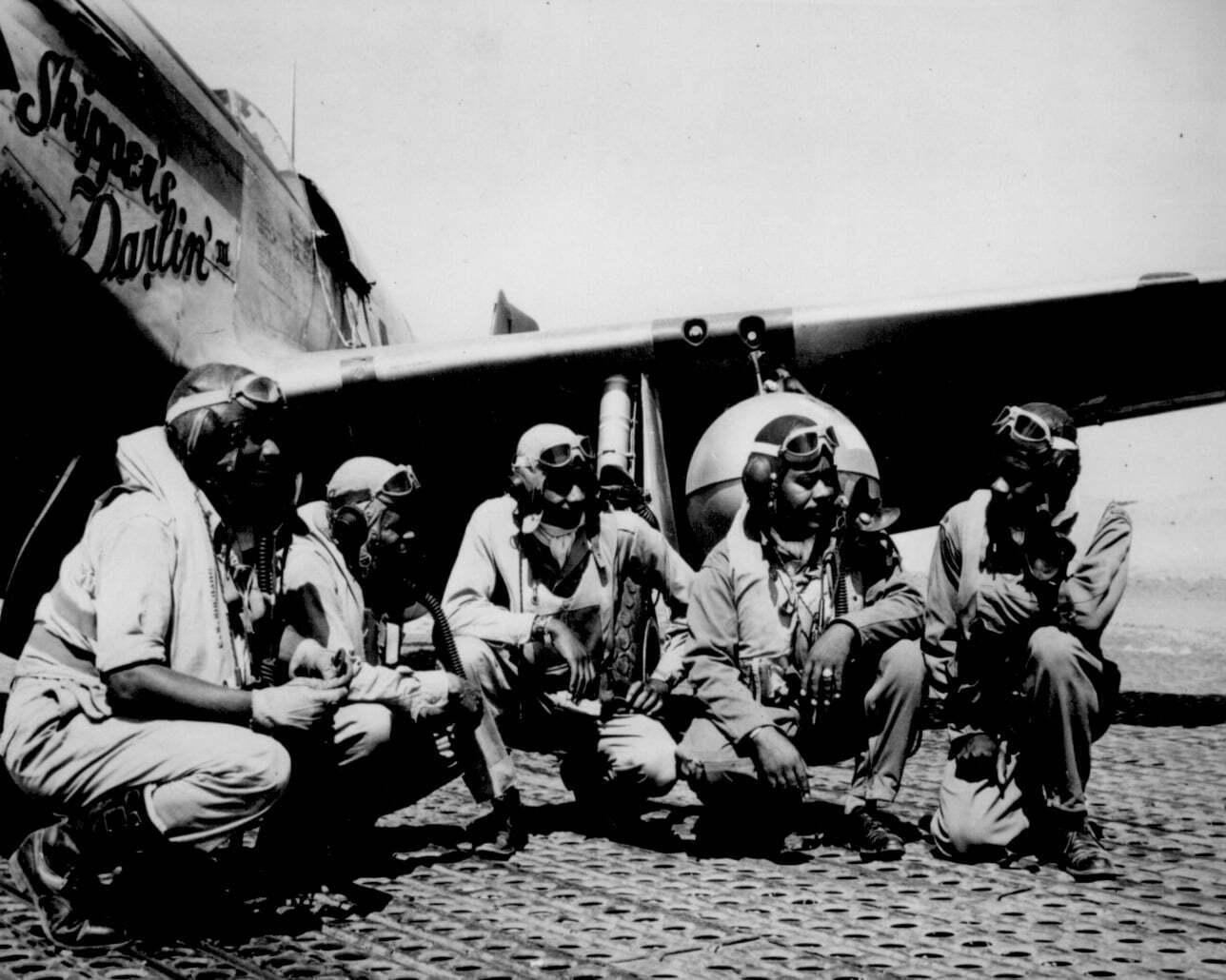
The Tuskegee Airmen served with distinction in combat theaters across North Africa and Europe. Of the pilots who completed training, approximately 450 were deployed overseas and assigned to combat units including the legendary 99th Fighter Squadron and the 332nd Fighter Group. Flying aircraft such as the Curtiss P-40 Warhawk, the Tuskegee Airmen conducted fighter patrols, ground attack missions, and bomber escort operations. The 332nd Fighter Group became especially renowned for its escort missions protecting Allied bombers over enemy territory. Their professionalism, discipline, and combat performance earned the respect of fellow airmen and commanders throughout the war. Despite facing discrimination both at home and abroad, the Tuskegee Airmen consistently demonstrated exceptional skill and unwavering commitment to duty.
Breaking Barriers and Changing History
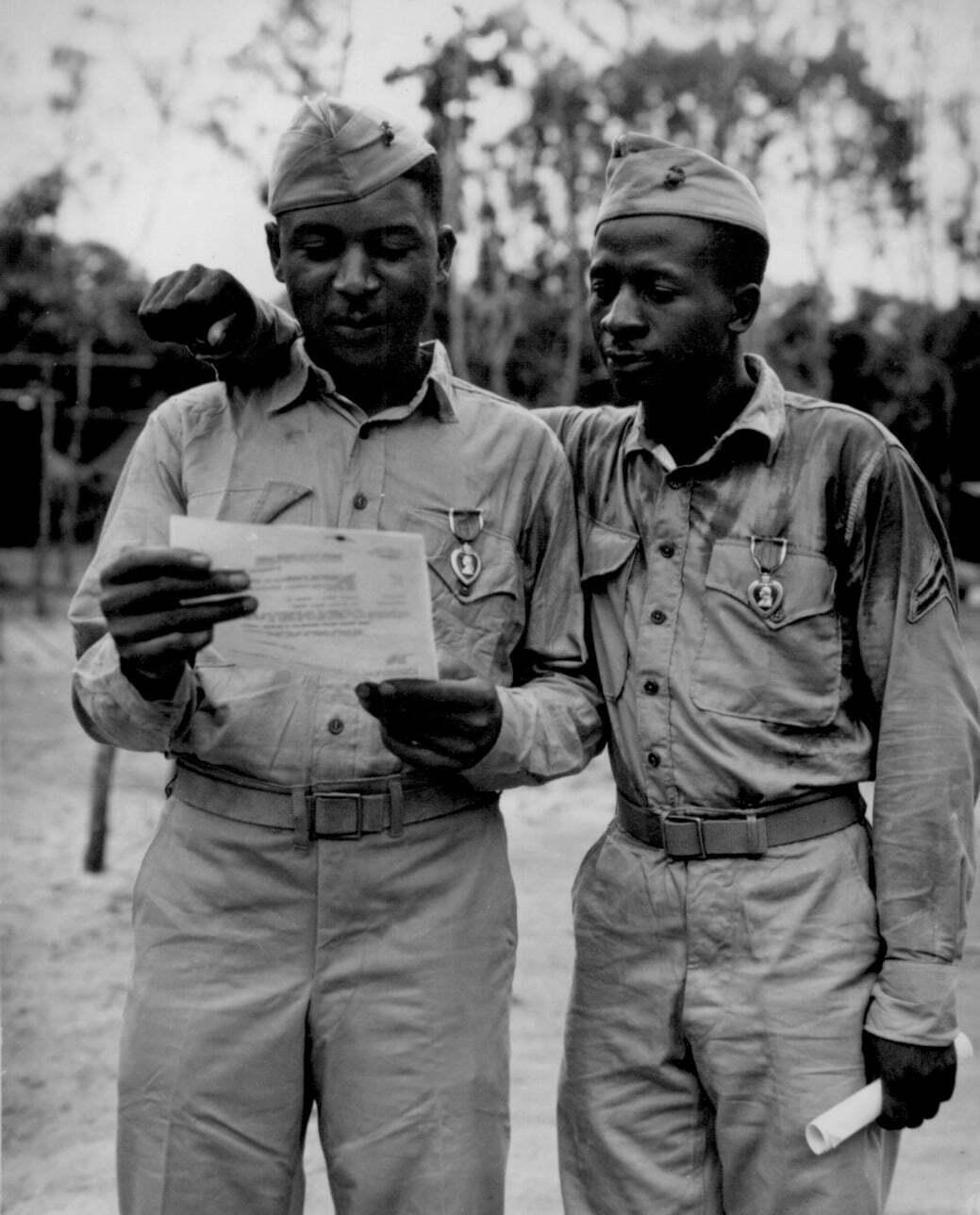
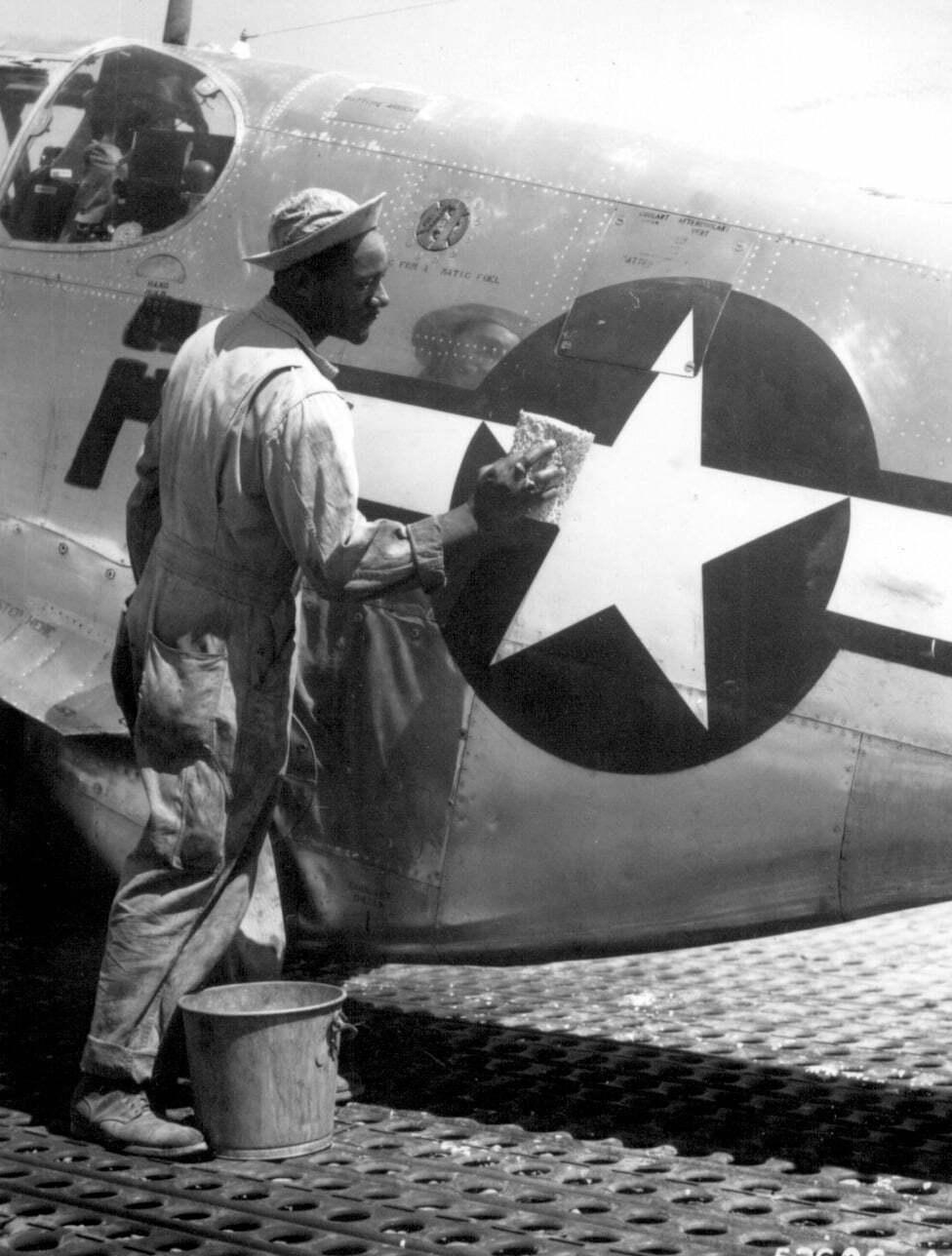
The accomplishments of the Tuskegee Airmen challenged long-held racial stereotypes and proved that African Americans could excel in every aspect of military aviation. Their service became a catalyst for change within the Armed Forces and throughout American society. The success of the Tuskegee Airmen contributed to the growing movement for equality and helped lay the foundation for the desegregation of the U.S. military through Executive Order 9981 in 1948. Their story remains one of the most significant chapters in both aviation and civil rights history. aircraft mechanics, vital to mission success, were initially training at Chanute Air Base in Rantoul, Illinois. Before training facilities were establishing at TAAF in 1942.
A Legacy That Inspires
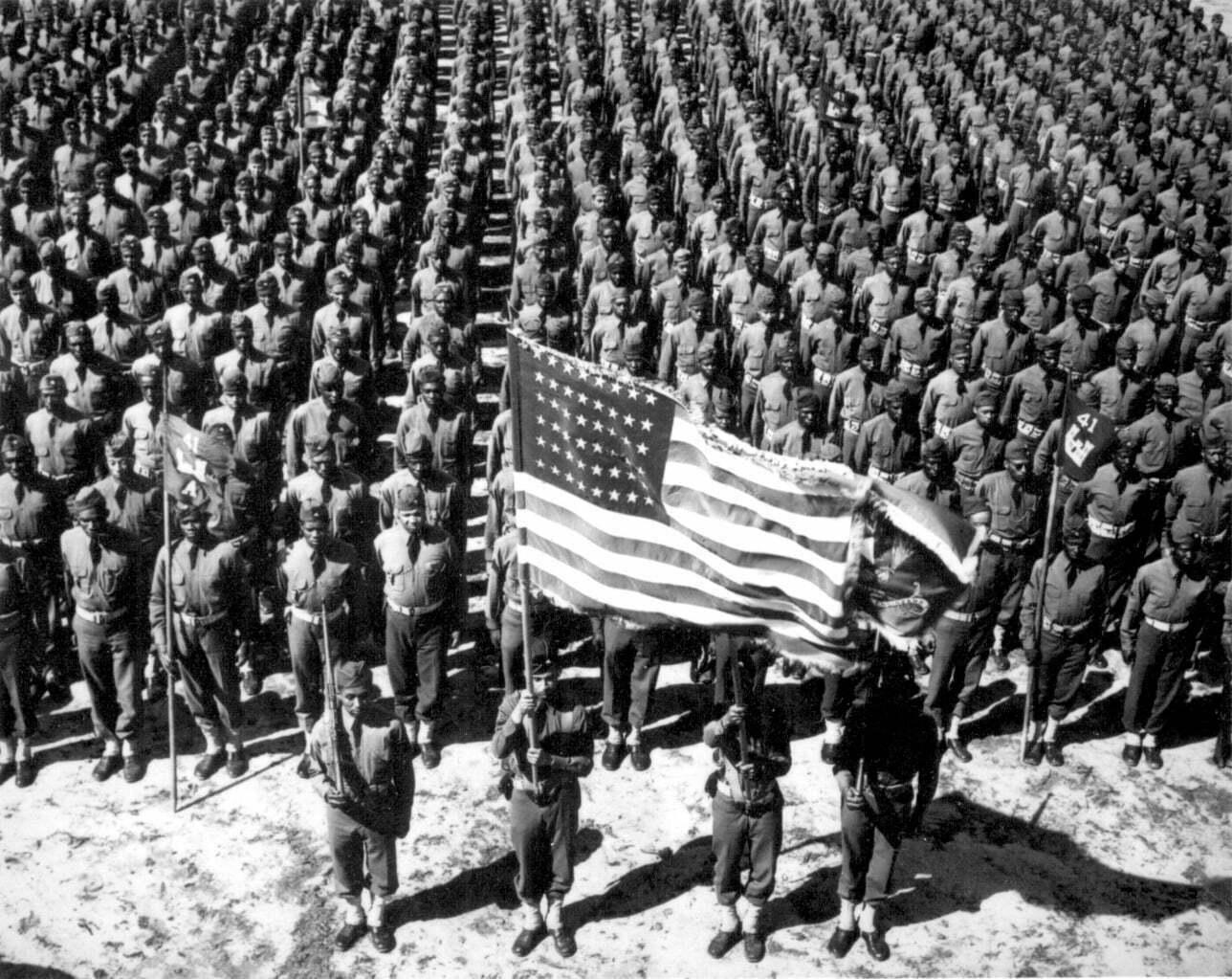
The legacy of the Tuskegee Airmen extends far beyond the battlefields of World War II. Their courage, leadership, and determination continue to inspire future generations of pilots, aerospace professionals, military personnel, and community leaders. At the Tuskegee Airmen National Historical Museum, we are committed to preserving their history through artifacts, aircraft, exhibits, and educational programs that connect the achievements of the past with the opportunities of the future. As visitors explore the stories, aircraft, and artifacts entrusted to our care, they gain a deeper understanding of how the Tuskegee Airmen transformed aviation history and helped shape a more equitable future for all Americans.
Their mission changed history. Their legacy continues to inspire the future.
The Red Tails
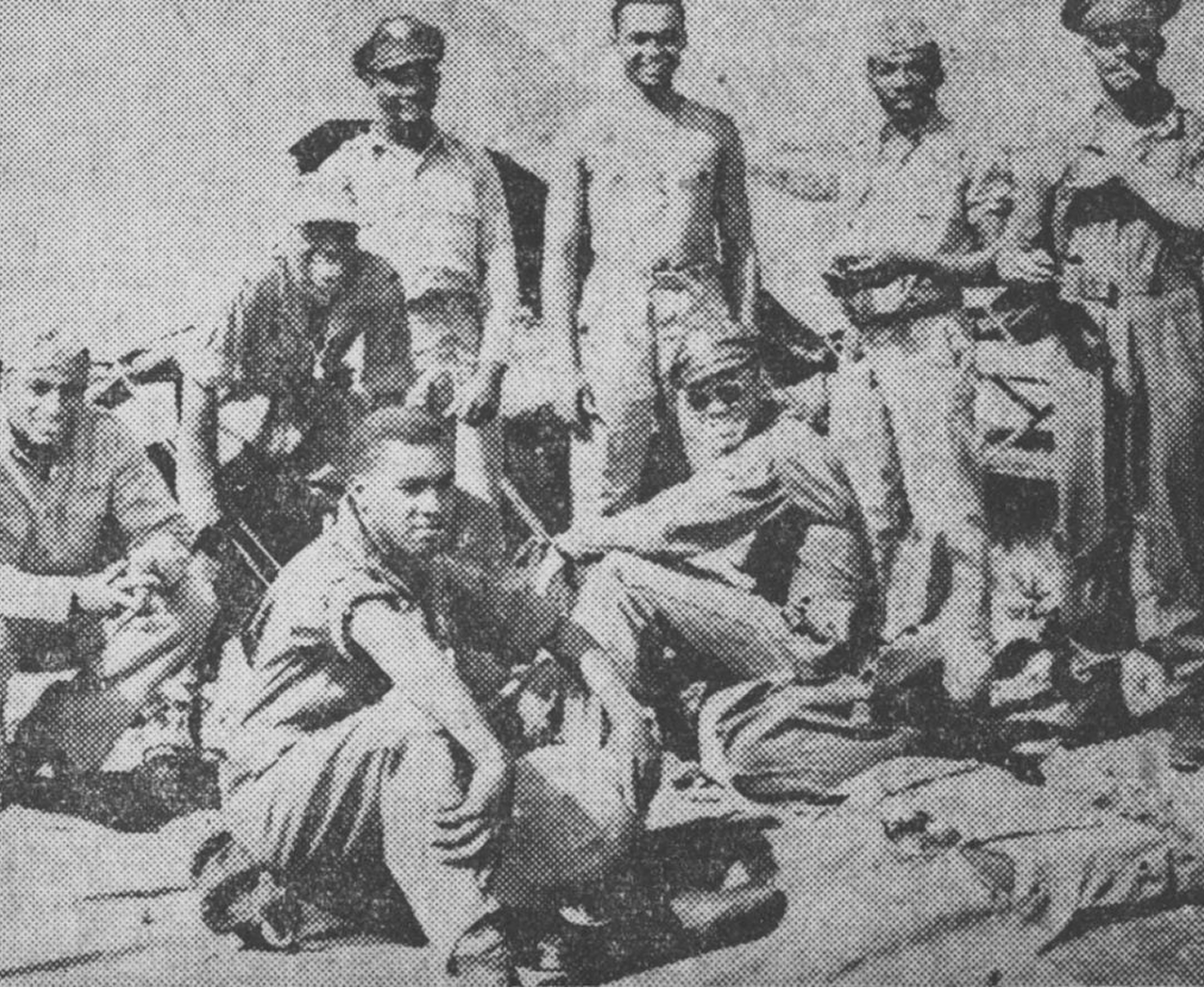
The 332nd Fighter Group, known as the "Red Tails," earned a distinguished reputation during World War II for protecting Allied bomber crews on dangerous missions across Europe. Named for the red markings painted on their aircraft, the Red Tails became known for their disciplined escort missions and unwavering commitment to duty. Their success helped increase bomber survivability and earned the respect of fellow airmen throughout the war. While they fought bravely overseas, they also faced racism and segregation at home.
Facing Racism at Home
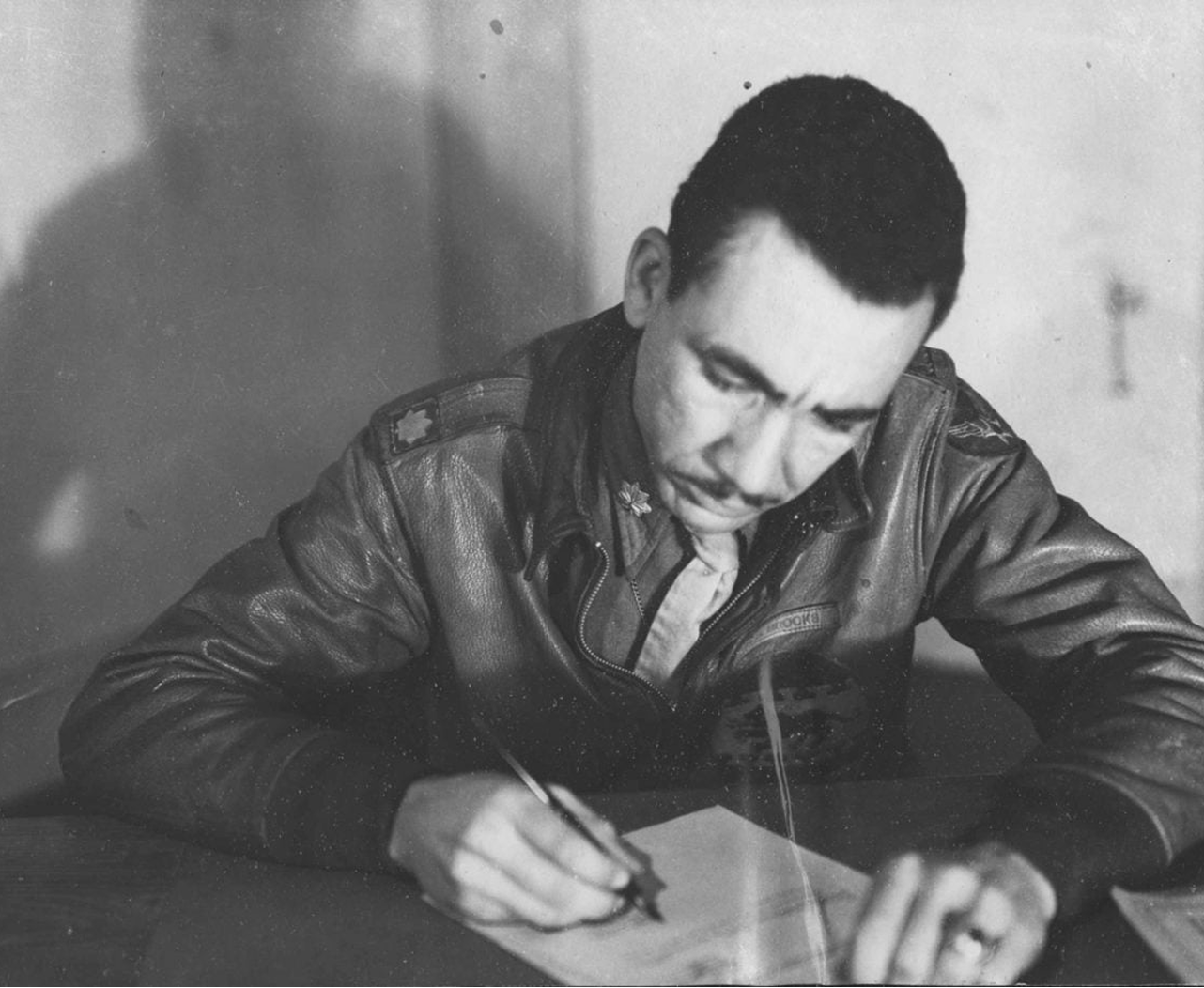
While the 332nd Fighter Group gained recognition in combat, members of the 477th Medium Bombardment Group faced discrimination within the U.S. military. Black officers were denied access to officers' clubs at bases in Michigan, Kentucky, and Indiana despite holding the same rank as white officers. In 1945, at Freeman Field, Indiana, 103 Black officers were arrested after peacefully challenging segregationist policies. The incident became one of the most significant civil rights protests in military history. One officer, Lt. Roger "Bill" Terry, was convicted by court-martial, while charges against the others were later dropped.
Justice and Legacy
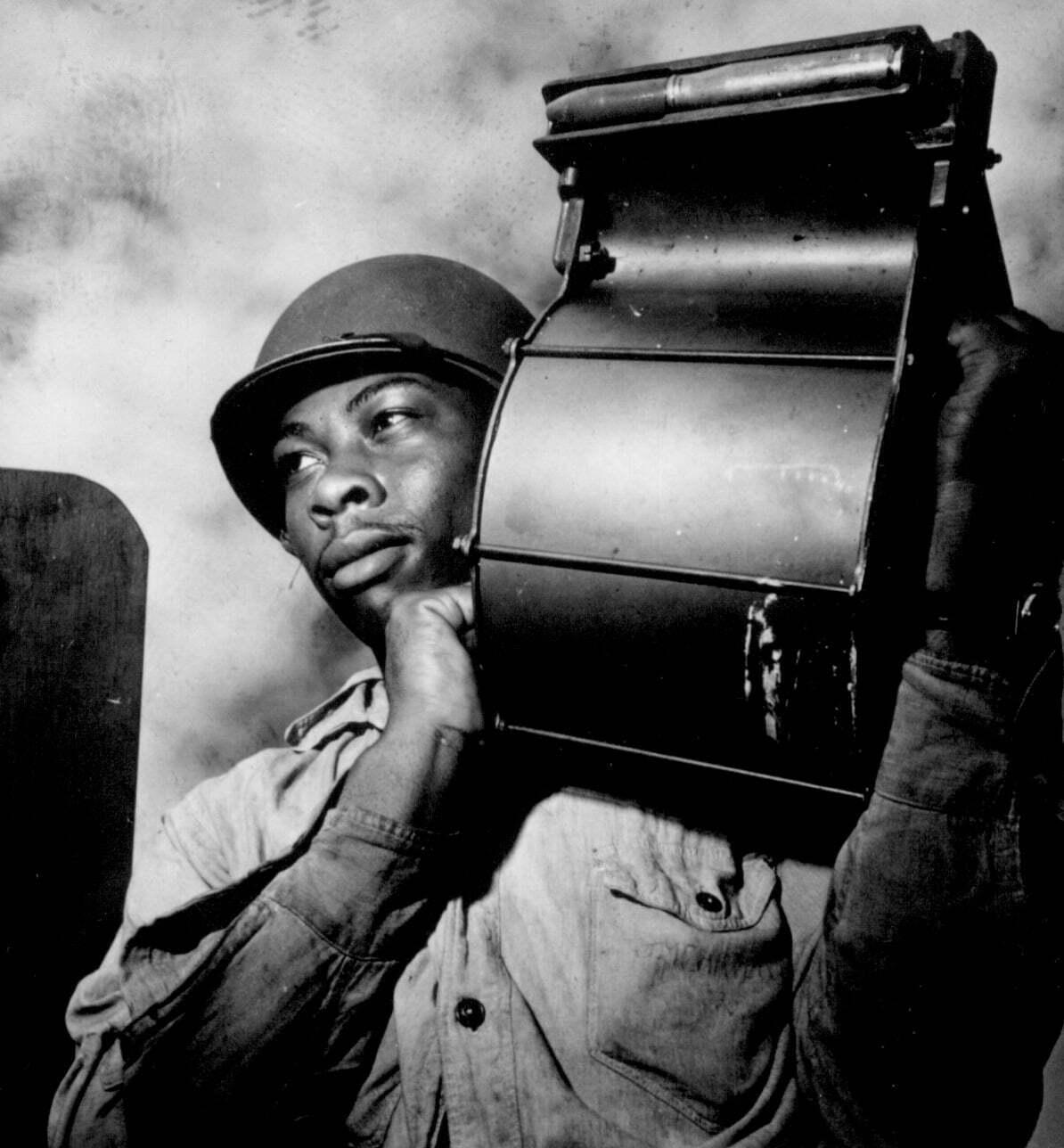
On August 12, 1995, fifty years after the Freeman Field protests, justice was finally served. Lt. Terry's conviction was overturned, and many of the officers received official recognition clearing their records. Despite their heroic service, many Tuskegee Airmen returned home to continued segregation and limited military opportunities. Their perseverance and achievements helped pave the way for the desegregation of the U.S. military in 1948. Today, the legacy of the Red Tails stands as a powerful symbol of courage, excellence, and determination. Their legacy continues to inspire future generations of aviators and leaders.